Prioritizing Safety Protocols for Handling Liquid Nitrogen in Culinary Settings
Essential Protective Gear Required for Safe Liquid Nitrogen Handling

When working with liquid nitrogen, prioritizing safety is crucial. This clear, colorless cryogenic substance can cause severe injuries if not handled properly. Always ensure you wear appropriate protective gear, including insulated gloves specifically designed for cryogenic use, goggles to protect your eyes from potential splashes, and a face shield for additional safety. The extreme temperatures associated with liquid nitrogen can result in frostbite almost instantly, making it essential to cover any exposed skin. Furthermore, opt for clothing that covers your arms and legs entirely to minimize the risk of accidental exposure to this hazardous material.
In environments such as professional kitchens or any other settings where liquid nitrogen is utilized, fostering a strong safety culture is imperative. Every team member must be educated about the dangers associated with liquid nitrogen. Organize regular safety training sessions that emphasize the importance of wearing protective gear and adhering to established safety protocols. By cultivating a culture that prioritizes safety, the likelihood of accidents decreases significantly, creating a secure environment for everyone involved.
How to Maintain Sufficient Ventilation While Using Liquid Nitrogen
The vapor released from liquid nitrogen can displace oxygen in the air, creating a risk of asphyxiation. Therefore, it is crucial to ensure adequate ventilation in any area where liquid nitrogen is being used. Working in a well-ventilated space or outdoors is strongly recommended to allow for the free dissipation of excess nitrogen gas. Installing exhaust fans can significantly enhance air circulation, ensuring that nitrogen vapor does not accumulate to unsafe levels, thereby safeguarding the health of all personnel present.
Additionally, it is vital to continuously monitor oxygen levels within the workspace, particularly in enclosed environments. Utilizing oxygen sensors can provide real-time data, alerting you to potential hazards. If the sensor indicates low oxygen levels, evacuate the area immediately. Prioritizing proper ventilation not only enhances safety but also improves comfort within the working environment, fostering a creative atmosphere when experimenting with liquid nitrogen in culinary applications.
What Emergency Protocols Should Be Implemented for Liquid Nitrogen Incidents?
Establishing a robust emergency response plan is essential when working with liquid nitrogen. Prepare a comprehensive plan that includes the locations of the nearest first aid kit and emergency contact information. It is critical that all personnel are familiar with these protocols and know how to respond effectively in case of an incident. Conduct regular drills to keep everyone alert and prepared for any emergency situations that may arise, ensuring a swift and effective response.
In the event of a spill, it is crucial to evacuate the area; allow the liquid nitrogen to evaporate completely before starting any cleanup efforts. Quick access to professional medical assistance can greatly improve outcomes for frostbite treatment or other injuries resulting from exposure to liquid nitrogen. Being thoroughly prepared can significantly reduce the risks associated with using this potent ingredient in culinary practices.
Expert Strategies for Mastering Culinary Techniques with Liquid Nitrogen
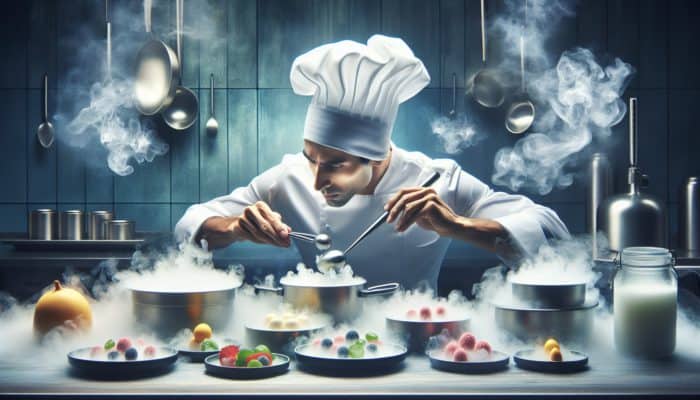
Innovative Culinary Techniques Employed by Leading Culinary Experts
Renowned chefs around the globe have embraced liquid nitrogen as a groundbreaking tool in their culinary arsenal, leveraging its unique properties to create extraordinary dishes. While the techniques may vary significantly, several key methods frequently emerge to achieve remarkable culinary outcomes. Here are some popular techniques employed by culinary professionals:
- Flash Freezing: Enables the instant freezing of ingredients, resulting in unique textures that are often sought after.
- Instant Ice Cream: Produces smooth, creamy ice cream through the rapid freezing of the mixture, creating a delightful dessert.
- Spherification: Forms spheres of flavored liquids using rapid freezing techniques, presenting innovative culinary creations.
- Textural Contrast: Enhances dishes by introducing crispy elements that complement softer components, elevating the overall dining experience.
- Smoke Effects: Creates dramatic visual presentations that heighten the dining experience and captivate diners.
- Infusion: Facilitates the rapid infusion of flavors into various ingredients, enhancing taste profiles.
- Garnishing: Incorporates visually appealing frozen garnishes to enhance dish presentations.
- Molecular Gastronomy: Explores innovative techniques that challenge conventional cooking methods, pushing the boundaries of culinary arts.
For example, chef Heston Blumenthal is celebrated for his inventive use of liquid nitrogen to create striking textural contrasts in his dishes, while chefs like Ferran Adrià have pioneered its application in molecular gastronomy, crafting exhilarating dining experiences that captivate the palate and imagination.
What Distinguishes Liquid Nitrogen from Other Culinary Ingredients?
The unique nature of liquid nitrogen stems from its extraordinary properties, particularly its extremely low temperature of -196°C (-321°F). This remarkable cold allows for the instantaneous freezing of food items, resulting in surprising culinary effects. The rapid freezing process aids in preserving the integrity, flavor, and nutritional value of ingredients, yielding textures and tastes that are unattainable through traditional cooking methods.
Moreover, the ability to achieve flash freezing opens up exciting avenues for culinary creativity. Ingredients can be combined in ways that might typically yield undesirable outcomes if subjected to slower freezing techniques. For instance, fruits can be frozen rapidly to maintain their cellular structure, resulting in vibrant colors and crisp textures. Understanding the unique properties of liquid nitrogen empowers chefs to experiment boldly, leading to innovative dishes that delight and surprise diners with unexpected flavors.
How Can You Source Quality Liquid Nitrogen for Culinary Applications?
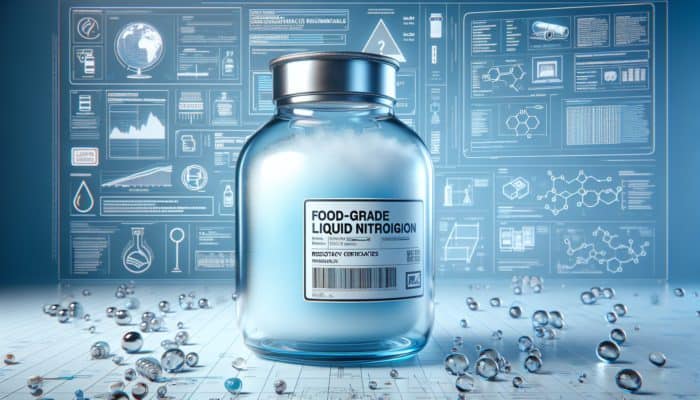
Acquiring high-quality liquid nitrogen for culinary applications requires identifying reputable suppliers. Industrial gas suppliers typically offer food-grade liquid nitrogen that is suitable for culinary purposes. It is essential to ensure that the nitrogen sourced is certified for food use, as this guarantees safety and quality for culinary applications, protecting both chefs and diners alike.
Conduct thorough research on local suppliers and examine customer feedback to evaluate their reliability. Many suppliers provide convenient delivery services, ensuring timely access to liquid nitrogen when needed. Always verify the storage conditions and handling protocols they follow to guarantee that the nitrogen remains safe for culinary applications. When engaging with suppliers, discussing your specific needs—such as quantity and frequency of supply—can streamline your purchasing process and ensure consistent availability.
How Does Liquid Nitrogen Transform Food Texture?
Creating Crunchy and Appealing Textures with Liquid Nitrogen
Utilizing liquid nitrogen can revolutionize the way crunchy textures are achieved in various foods. The flash-freezing technique allows chefs to craft a crispy exterior while preserving a soft and moist interior. This method is particularly beneficial for items like fruits or certain pastries that thrive on contrasting textures, enhancing their overall appeal.
For example, immersing fruits such as berries in liquid nitrogen results in an immediate crispness that accentuates their natural sweetness. The rapid freezing process prevents the formation of large ice crystals, which can lead to a mushy texture if frozen using conventional methods. Instead, the fruit retains its shape and vibrant colors, creating an appealing crunchy snack or garnish. This technique can also be applied to dessert components, such as meringues or sponge cakes, allowing for creative presentations that play with texture and visual appeal, captivating diners.
How Does Liquid Nitrogen Enhance Creaminess and Texture in Culinary Creations?
Liquid nitrogen significantly improves the creaminess of various culinary creations, particularly ice creams and sauces. By rapidly freezing mixtures, the size of ice crystals is minimized, resulting in a smoother, creamier texture. This technique is especially beneficial for custards or cream-based sauces that would traditionally require extended chilling periods to achieve the desired consistency.
When crafting ice cream with liquid nitrogen, the process is not only quick but also allows for the incorporation of unique flavors and ingredients just before freezing. For instance, blending in fruits, chocolate, or even herbs can create a final product that is rich in flavor and texture. The rapid freezing ensures these ingredients remain evenly distributed throughout the ice cream, enhancing the overall culinary experience and delighting those who indulge.
What Unique and Innovative Food Combinations Can Be Achieved with Liquid Nitrogen?
The rapid freezing capabilities of liquid nitrogen enable the creative combination of ingredients that might not typically blend well together. This technique allows chefs to explore flavor pairings and ingredients that would ordinarily clash or separate during traditional cooking processes. By instantly freezing components, chefs can maintain a high level of experimentation in their culinary creations, leading to novel dining experiences.
For instance, flavors from different cuisines can be fused without losing their individual characteristics. A chef might freeze herbal infusions and blend them with creamy bases, resulting in unique sauces that surprise diners with each bite. The flexibility offered by liquid nitrogen creates opportunities for innovative pairings, leading to dishes that challenge conventional culinary norms and excite the palate with unexpected flavors and textures, making each meal memorable.
What Exciting Recipes Can Be Created Using Liquid Nitrogen?
Innovative Desserts and Confections Featuring Liquid Nitrogen
Liquid nitrogen plays a significant role in the dessert landscape, enabling the creation of extraordinary sweet treats that tantalize the senses. The flash-freezing capability adds a fresh dimension to traditional desserts, resulting in unique textures and flavors. Here are some popular dessert recipes that effectively utilize liquid nitrogen:
- Liquid Nitrogen Ice Cream: Create instant ice cream with your choice of flavors by combining cream, sugar, and desired flavorings, then flash freezing with liquid nitrogen for instant delight.
- Frozen Fruit Sorbet: Blend fresh fruit with sugar and lemon juice, then freeze immediately for a refreshing sorbet that bursts with flavor.
- Molecular Chocolate Mousse: Whip chocolate with cream and freeze quickly using nitrogen for a light, airy texture that melts in your mouth.
- Frozen Cheesecake Bites: Dip cheesecake pieces in nitrogen to develop a crunchy exterior while maintaining a creamy inside, offering a delightful contrast.
- Ice Cream Bombs: Enclose ice cream inside a shell made of chocolate and freeze instantly for a delightful surprise that captivates diners.
These recipes not only showcase the versatility of liquid nitrogen but also highlight the creativity it inspires in dessert preparation. Each dish provides an opportunity to experiment with flavors, textures, and presentations, making them a hit in both home kitchens and professional culinary environments, promising a delightful experience for all.
Exciting Savory Dishes Incorporating Liquid Nitrogen
While desserts may be the most recognized application of liquid nitrogen, it has also carved a niche in savory dishes. The dramatic effect of flash freezing allows chefs to create visually stunning components that elevate any meal. For instance, flash-frozen garnishes can be added to soups and salads, providing a surprising crunch and an artistic touch that enhances overall presentation.
With the aid of liquid nitrogen, chefs can also prepare unique presentations of classic dishes. Imagine a traditional soup served with a swirling mist of nitrogen vapor or a salad featuring frozen herbs that crackle upon biting. These techniques not only enhance flavor profiles but also create memorable dining experiences that leave guests in awe of the culinary artistry. The versatility of liquid nitrogen in savory cooking paves the way for innovative culinary exploration and excitement for diners.
Innovative Beverages and Cocktails Enhanced by Liquid Nitrogen
The creative application of liquid nitrogen in beverages and cocktails has opened a new frontier in mixology. Bartenders worldwide have embraced this technique to concoct innovative drinks that not only taste exceptional but also provide a striking visual experience. Liquid nitrogen can be utilized to chill drinks instantly or to create unique textures, resulting in an exhilarating cocktail experience that thrills guests.
For example, cocktails can be crafted with frozen fruit juices or infused spirits that have been quickly frozen and crushed, resulting in a refreshing and visually appealing drink with an unexpected twist. Moreover, the dramatic effect of smoke and fog created by liquid nitrogen adds an exciting layer to cocktail presentations, captivating diners as they indulge in beverages that tantalize their taste buds while engaging their senses through captivating visual spectacles.
Research-Backed Insights on the Benefits of Cooking with Liquid Nitrogen
How Does Rapid Freezing Preserve Nutritional Value?
One of the most significant advantages of using liquid nitrogen in cooking is its ability to preserve the nutritional value of ingredients. The rapid freezing process locks in nutrients, preventing degradation that often occurs during traditional cooking methods. For instance, fruits and vegetables can be frozen immediately after harvest, maintaining their vitamin content and overall freshness, ensuring that diners enjoy the healthiest meals possible.
This method is particularly beneficial for creating healthy meals and snacks. By utilizing liquid nitrogen, chefs can preserve the integrity of ingredients, ensuring that dishes are not only delicious but also nutritious. Furthermore, maintaining the color and texture of fruits and vegetables enhances their appeal, encouraging healthier eating habits among diners who appreciate visually captivating meals that are also good for them.
What Food Safety Considerations Should Be Taken When Using Liquid Nitrogen?
Food safety is another critical aspect of utilizing liquid nitrogen in culinary applications. The instant freezing process helps eliminate pathogens by rapidly lowering the temperature of foods, thus preventing bacterial growth. This is especially important for ingredients that may be susceptible to spoilage, such as seafood or dairy products, ensuring that dishes remain safe for consumption.
By incorporating liquid nitrogen into the cooking process, chefs can ensure that their dishes are not only safe to eat but also retain high-quality flavors. However, it is essential to adhere to strict hygiene practices when handling nitrogen and food ingredients to maximize safety benefits and ensure the well-being of diners, reinforcing a commitment to food safety and quality.
Which Scientifically Proven Techniques Enhance Culinary Outcomes?
Numerous studies have highlighted the advantages of utilizing liquid nitrogen in cooking, especially regarding texture and flavor enhancement. The precise control over temperature allows chefs to experiment with various techniques, yielding scientifically backed results. For instance, research has demonstrated that flash freezing preserves cellular structure, resulting in improved mouthfeel and overall enjoyment of food, enhancing the dining experience for guests.
Understanding the scientific principles behind each technique enables chefs to refine their craft further. By leveraging proven techniques, culinary professionals can create dishes that consistently impress diners, leading to greater success in the culinary industry and enhancing their reputations as innovative chefs.
How Does Liquid Nitrogen Foster Culinary Creativity?
The use of liquid nitrogen unlocks a realm of possibilities for culinary creativity, allowing chefs to experiment with flavors, textures, and presentations that were previously unattainable. This innovative approach to cooking paves the way for the emergence of new culinary trends and styles, transforming the dining experience for patrons seeking unique and memorable meals.
Chefs can utilize liquid nitrogen to create visually stunning dishes that engage the senses and challenge conventional cooking norms. For instance, the ability to create dramatic presentations or unexpected flavor combinations can leave diners with lasting impressions. As culinary innovation continues to evolve, the role of liquid nitrogen will undoubtedly be significant in shaping the future of gastronomy, inspiring chefs to push the boundaries of what is possible in the kitchen.
What Risks Should You Be Aware of When Using Liquid Nitrogen in Cooking?
How to Identify Potential Health Hazards?
While liquid nitrogen offers remarkable opportunities in the kitchen, it also presents potential health risks that must be addressed seriously. Improper handling can lead to severe injuries, including frostbite from direct skin contact or inhalation of nitrogen vapor, which can cause asphyxiation. It is vital to understand these risks and implement appropriate safety measures to mitigate them effectively and ensure a safe working environment.
All personnel working with nitrogen must undergo training in safe handling practices. This training encompasses awareness of the signs of frostbite and asphyxiation, along with understanding how to react during emergencies. Adhering to strict safety protocols can significantly reduce the risk of accidents, ensuring a safer cooking environment for everyone involved, fostering a culture of safety and preparedness.
What Equipment and Storage Concerns Should Be Addressed?
Handling and storing liquid nitrogen requires specialized equipment to prevent accidents and maintain its effectiveness. Liquid nitrogen should be stored in vacuum-insulated containers specifically designed for cryogenic materials. These containers are engineered to prevent pressure build-up and ensure safe storage, safeguarding against potential hazards associated with improper handling.
Improper storage can lead to dangerous situations, such as pressure explosions or spills. Regular inspections of equipment for leaks or damage are essential to uphold a safe working environment. Additionally, training personnel on proper storage techniques contributes to overall safety and efficiency in the kitchen, ensuring that everyone can work safely with this powerful ingredient, preserving the integrity of the culinary space.
Understanding Legal and Regulatory Issues Regarding Liquid Nitrogen Use
When employing liquid nitrogen in food preparation, it is crucial to remain aware of the legal and regulatory considerations that may apply. Some regions have specific regulations regarding the use of liquid nitrogen in culinary settings, particularly concerning safety practices and food handling procedures. Ensuring compliance with local laws is essential to avoid potential legal repercussions and maintain operational integrity.
Staying informed about any changes in regulations regarding liquid nitrogen usage ensures that culinary establishments maintain compliance. This not only helps safeguard staff and customers but also reinforces the establishment’s reputation for prioritizing safety and quality in food preparation, fostering trust and confidence among patrons.
Practical Tips for Safe Handling of Liquid Nitrogen
How to Measure and Pour Liquid Nitrogen Safely?
Effectively measuring and pouring liquid nitrogen is vital for safe and precise culinary applications. Always use insulated containers designed for cryogenic liquids to prevent spills and splashes that can lead to injuries. Pouring slowly and carefully is essential, as this reduces the risk of splashing and allows for better control over the amount being used to achieve desired results in your culinary endeavors.
Additionally, practice good housekeeping when working with liquid nitrogen. Ensure that your workspace is free of clutter and that all necessary tools are within reach. Organizing the area before use can greatly enhance efficiency and safety when handling this volatile substance, allowing for a smoother workflow in the kitchen and minimizing potential hazards.
Effective Techniques for Temperature Management
Maintaining proper temperature management while working with liquid nitrogen is essential for achieving desired culinary outcomes. Keep the cooking area well-ventilated to ensure that any nitrogen vapor dissipates quickly, promoting safety and preventing any disruption to the cooking process that could compromise ingredient integrity.
Using insulated gloves is crucial when handling any items that have been in contact with liquid nitrogen. These gloves protect against frostbite while providing a secure grip on containers and tools. Applying proper temperature management techniques ensures a safe and effective cooking environment, enabling chefs to focus on their culinary creations without safety concerns.
Safe Clean-Up and Disposal Procedures for Liquid Nitrogen
Implementing proper clean-up and disposal methods for liquid nitrogen is vital to maintaining a safe working environment. Allow any spilled liquid nitrogen to evaporate completely before attempting to clean the area. Never attempt to wipe up liquid nitrogen with cloths or absorbent materials, as this can lead to further hazards and potential accidents that jeopardize safety.
When disposing of empty containers that previously held liquid nitrogen, follow local regulations for hazardous waste disposal. Ensure that containers are completely empty and allow them to return to ambient temperatures before disposal. Taking these precautions will contribute to a safer kitchen environment, preventing accidental exposure to nitrogen and ensuring compliance with safety standards that protect everyone involved.
- Allow any spilled liquid nitrogen to evaporate completely.
- Clean surfaces with warm water after evaporation is complete.
- Dispose of empty containers according to local regulations.
- Ensure no residual nitrogen remains in containers before disposal.
- Regularly inspect all equipment for leaks or damage.
Creative Presentation Techniques for Dishes Involving Liquid Nitrogen
Employing Dramatic Serving Techniques for Visual Impact
The visual appeal of dishes can be dramatically enhanced through creative serving techniques involving liquid nitrogen. The instantaneous freezing effect creates enchanting smoke and fog, adding an exciting element to the dining experience. For instance, serving desserts or cocktails surrounded by a swirling mist of nitrogen vapor not only captivates guests but also heightens their anticipation of the culinary delights to come, creating a memorable dining experience.
Consider utilizing liquid nitrogen to create dramatic effects during the serving process. For example, when presenting a dish, a chef can release liquid nitrogen to envelop the plate in a mist, creating an unforgettable visual moment that enhances the overall dining experience. This theatrical flair not only entertains diners but also makes their experience memorable and engaging, leaving a lasting impression that encourages repeat visits.
How to Design Themed Dining Experiences with Liquid Nitrogen?
Liquid nitrogen can play a pivotal role in enhancing themed dining experiences. Chefs can craft dishes specifically tailored to fit certain themes, employing liquid nitrogen techniques to elevate the atmosphere and create a cohesive dining experience. For instance, a “futuristic” dining concept might incorporate elements like frozen cocktails or desserts that create stunning visual spectacles, adding excitement and intrigue to the overall meal.
By aligning dishes with the theme and utilizing liquid nitrogen, chefs can create cohesive dining experiences that resonate with guests. The integration of innovative cooking techniques into themed menus not only adds excitement but also elevates the overall dining concept, making it appealing to a wide range of patrons seeking unique culinary adventures that tantalize their senses.
Implementing Interactive Dining Concepts with Liquid Nitrogen
Interactive dining experiences are gaining popularity, and liquid nitrogen can enhance this trend by allowing guests to participate in the cooking process. Imagine a dining setting where diners can utilize liquid nitrogen to create their own frozen treats at the table, adding an element of fun and engagement to the meal that encourages conversation and interaction among guests.
Incorporating guest interaction elevates the dining experience, fostering a sense of connection between diners and the culinary arts. Providing a controlled environment with proper safety measures ensures that guests can safely enjoy the process of creating their own culinary masterpieces. This hands-on approach transforms each meal into an unforgettable occasion, making it a memorable experience for diners that they will eagerly share with others.
Exploring Molecular Gastronomy Experiments with Liquid Nitrogen
Utilizing liquid nitrogen for molecular gastronomy experiments presents an exciting opportunity for chefs to explore innovative culinary techniques. Flash freezing allows for the creation of unique textures and flavors that challenge traditional cooking methods, pushing the boundaries of culinary creativity. Chefs can experiment with ingredients and flavor combinations, using liquid nitrogen to unlock new culinary dimensions.
For instance, chefs may create frozen foams or spheres that burst with flavor when bitten into, surprising diners with an explosion of taste. These experiments not only showcase the versatility of liquid nitrogen but also highlight the innovative spirit of modern gastronomy. As chefs continue to explore molecular gastronomy, liquid nitrogen will remain an essential tool in their culinary toolkit, enabling them to create extraordinary dishes that captivate and delight every palate.
Conducting Educational Demonstrations Involving Liquid Nitrogen
Incorporating liquid nitrogen into educational settings provides a unique opportunity to demonstrate its properties and safe usage. Cooking classes or science demonstrations that utilize nitrogen can engage students and foster a deeper understanding of both culinary arts and scientific principles. By showcasing the dramatic effects of liquid nitrogen, educators can create memorable learning experiences that inspire future generations of chefs and scientists, sparking curiosity and innovation.
Demonstrations can include various applications of liquid nitrogen, such as creating frozen desserts, showcasing the principles of thermal expansion, or discussing the safety measures necessary when working with cryogenic materials. This multifaceted approach to education not only enhances learning but also inspires curiosity and innovation among students, encouraging them to explore the possibilities within their fields and consider careers in culinary arts or food science.
Frequently Asked Questions About Liquid Nitrogen
What is liquid nitrogen and how is it used in culinary applications?
Liquid nitrogen is nitrogen in a liquid state at an extremely low temperature, utilized in cooking for its rapid freezing properties that enhance texture and flavor in various dishes.
Is the use of liquid nitrogen safe in cooking?
When handled appropriately with the necessary safety measures, liquid nitrogen is safe for culinary applications; however, improper handling can lead to serious injuries, underscoring the importance of safety training and awareness.
What types of dishes can be crafted using liquid nitrogen?
Liquid nitrogen can be employed to create a variety of dishes, including ice creams, sorbets, frozen garnishes, and innovative cocktails that enrich the overall dining experience through unique textures and flavors.
How does liquid nitrogen influence food texture?
Liquid nitrogen flash-freezes foods, resulting in unique textures, such as crunchy exteriors while keeping the interiors soft and moist, enhancing the overall dining experience for those who indulge.
Can liquid nitrogen be purchased for home use?
Yes, liquid nitrogen can be acquired from industrial gas suppliers; however, it must be handled with care and stored in appropriate containers to ensure safety for culinary applications at home.
What protective gear is essential when working with liquid nitrogen?
When utilizing liquid nitrogen, it is vital to wear insulated gloves, goggles, and a face shield to protect against potential frostbite and injuries from accidental exposure to this extreme cold.
What risks are associated with liquid nitrogen usage?
Potential risks include frostbite, asphyxiation from nitrogen gas, and accidents during handling if proper safety protocols are not followed, highlighting the necessity of safety training and awareness in culinary settings.
How does liquid nitrogen aid in preserving food nutrition?
Flash-freezing with liquid nitrogen locks in nutrients and flavor, preventing degradation that can occur with traditional cooking methods, contributing to healthier meals and enhancing culinary quality.
Are there legal regulations concerning liquid nitrogen use in food preparation?
Yes, certain regions have specific regulations regarding the culinary use of liquid nitrogen, focusing on safety practices and food handling that must be adhered to by culinary establishments to ensure compliance.
What cleanup procedures should be followed after using liquid nitrogen?
After using liquid nitrogen, allow any spilled nitrogen to evaporate completely, and dispose of empty containers according to local regulations to ensure safety and prevent exposure to nitrogen residues.
Join Us on Facebook!
The post Top Tips for Cooking with Liquid Nitrogen: A Comprehensive Guide appeared first on https://cookinggods.com
The Article Cooking with Liquid Nitrogen: Essential Tips and Tricks Was Found On https://limitsofstrategy.com